Thinking about buying a rental in downtown Denver? In LoDo and Riverfront Park, the opportunity can look strong at first glance, but the details matter more than ever. If you want a property that fits your goals, attracts the right tenant pool, and avoids costly surprises, it helps to understand how neighborhood character, HOA rules, and Denver rental regulations all work together. Let’s dive in.
Why LoDo and Riverfront Park Stand Out
LoDo and Riverfront Park both sit in the 80202 area, but they offer different versions of downtown living. LoDo is known for warehouse conversions, lofts, and high foot traffic around Union Station and Larimer Square. Riverfront Park, by contrast, is a more residential pocket along the Union Station corridor with condo and rental buildings connected by pedestrian bridges and close access to Commons Park.
For a landlord, that difference matters because tenant preferences are often tied to building style and daily lifestyle. LoDo may appeal to renters who want to be in the middle of downtown activity. Riverfront Park may draw renters looking for a quieter urban setting with easy access to downtown amenities.
Downtown Denver’s overall activity also supports renter interest in this part of the city. Downtown Denver reports more than 130,000 people work downtown, more than 31,000 people live there, and 35,000 students come to the western edge of downtown each day. That mix helps support demand for well-located rentals, especially for people who value convenience and a lock-and-leave lifestyle.
Understand the Likely Tenant Pool
Before you buy, it helps to picture who is most likely to rent the property. Based on downtown district profiles and the area’s transit and employment patterns, the tenant pool in LoDo and Riverfront Park often includes urban professionals, downsizers, and some students. These renters are usually drawn to proximity, ease of travel, and access to restaurants, trails, and downtown destinations.
That said, demand is not automatic. The Downtown Denver Partnership said downtown had 88% residential occupancy in 2025, along with 468 residential units completed that year and more than 1,600 under construction. That points to continued demand, but also continued competition.
In practical terms, your building and unit may matter as much as the neighborhood name. A rental with strong layout, parking, access, and a well-run building may lease more smoothly than a similar unit in a weaker project. In this market, renters are often comparing not just location, but also convenience and day-to-day livability.
Compare LoDo and Riverfront Park Carefully
Choosing between LoDo and Riverfront Park is not just about price or square footage. The better question is how each area fits your rental strategy.
LoDo rental considerations
LoDo offers strong access to downtown activity, transit, restaurants, sports venues, and cultural destinations. That can be a major advantage if you want to attract renters who value walkability and a lively setting. It can also support appeal for tenants who want to minimize commute time.
At the same time, nearby event activity can create noise, traffic, and parking pressure. LoDo’s connection to Coors Field, Ball Arena, Empower Field at Mile High, and Elitch Gardens can be a plus for some renters and a drawback for others. If you are buying in LoDo, pay close attention to the specific block, building orientation, and parking setup.
Riverfront Park rental considerations
Riverfront Park has a different feel. ULI describes it as a quiet urban residential neighborhood adjacent to Commons Park and downtown, with 1,859 multifamily condo and rental units across 14 buildings. That setting may appeal to renters who want central access without being in the middle of the busiest downtown activity.
For some investors, that quieter profile can be a strength. It may align well with tenants who want walkability and downtown convenience, but also value a more residential atmosphere. As always, the individual building still matters.
HOA Rules Can Change the Investment Case
In LoDo and Riverfront Park, many rental opportunities are condos or townhome-style properties with homeowners associations. That means your due diligence should go well beyond the unit itself. In some cases, the HOA can affect the investment more than the neighborhood.
Colorado’s Division of Real Estate says associations may enforce use restrictions, including leasing bans or minimum lease terms, if the declaration allows it. Some buildings may allow rentals with few limits, while others may have rental caps, approval steps, or long minimum lease terms. You should confirm these rules before you get too far into a purchase.
Here are key HOA items to review:
- Declaration
- Bylaws
- Rules and regulations
- Budget
- Reserve study
- Insurance policy
- Rental restrictions
- Parking rules
- Pet rules
- Guest policies
- Any board approval requirements
You should also understand maintenance responsibilities. In condos and many townhomes, the association generally handles common elements and unit exteriors, while the owner handles the interior unless the governing documents say otherwise. That split makes the building’s budget, reserves, and special assessment history especially important.
Look Closely at Building Health
A downtown rental property is not just a unit number. It is also a stake in the health of the building around it. That is why reserve levels, deferred maintenance, and project reputation deserve real attention.
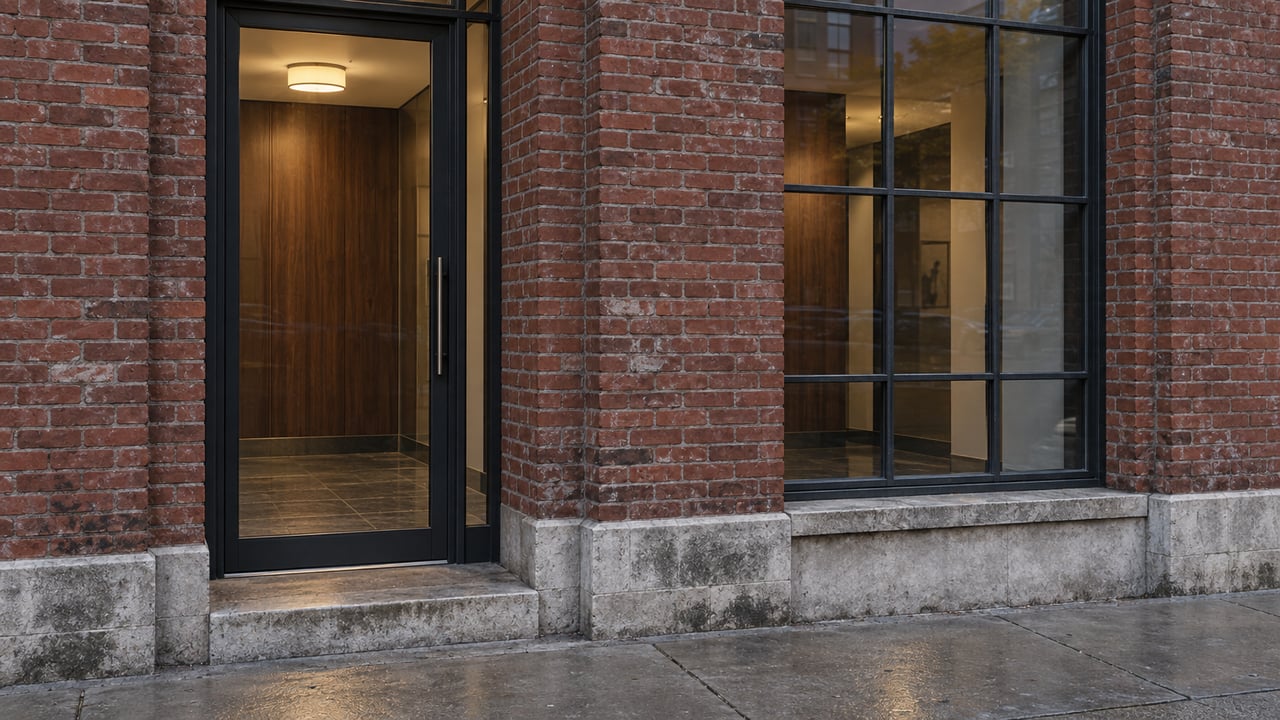
LoDo includes historic warehouse conversions, while Riverfront Park includes newer high-rise and mixed condo and rental buildings. Those differences can affect maintenance planning, elevator systems, façade exposure, and the potential for future special assessments. This does not mean one area is better than the other, but it does mean you should evaluate each building on its own facts.
Another useful signal is condo financing eligibility. The Colorado Division of Real Estate notes that FHA condo approval depends on factors such as insurance coverage, financial condition, title issues, pending legal action, and physical condition. Even if you are not planning to use FHA financing, that framework can still help you judge how lenders and future buyers may view the project.
Denver Rental Rules You Need to Know
If you plan to rent the property for 30 days or more, Denver requires residential rental properties to be licensed. The city’s guidebook says all residential rental properties were required to apply by January 1, 2024. This is not a minor paperwork item. It is part of the operating requirements for a rental in Denver.
The rental license process also includes an inspection focused on safety and habitability. If a property fails inspection items, those issues must be corrected before licensure, and some repairs may require building or zoning permits. If you are evaluating an older condo or loft, it is smart to think ahead about what updates or repairs may be needed.
Short-term rental assumptions can also create problems. Denver’s zoning rules say a short-term rental must be operated by the person maintaining the dwelling as their primary residence, cannot be run by an entity, and cannot be used for stays of 30 days or more. In plain terms, you should not assume a buy-and-hold condo or second home in LoDo or Riverfront Park can be used for Airbnb-style rentals.
Parking, Access, and Transit Still Matter
It is easy to focus on finishes and views, but practical access can have a real effect on vacancy and tenant fit. Downtown Denver Partnership’s 2024 travel survey found that personal vehicle dependence among downtown commuters has continued to increase. It also found that nearly 42% of respondents would use transit more if service reliability improved.
That tells you something important as an investor. In a downtown building, parking access, garage convenience, building entry, and transit connectivity can influence how attractive your rental feels in the real world. A beautiful unit with inconvenient parking may compete differently than one with a simpler day-to-day setup.
Downtown’s broader recovery also supports this point. The Downtown Denver Partnership said downtown reached a 90% average foot-traffic recovery rate in 2025 and recorded 73 million visits, while also noting that safety, accessibility, and transit reliability remain important issues for commuters. Those conditions make building quality and practical convenience more important, not less.
A Smart Buying Checklist
If you are considering a rental in LoDo or Riverfront Park, use a disciplined review process before you buy.
Questions to answer before closing
- Does the HOA allow rentals?
- Is there a minimum lease term?
- Is there a rental cap or waitlist?
- Who handles interior versus exterior maintenance?
- What do the budget and reserves look like?
- Has the building had special assessments?
- Are there parking restrictions or extra parking costs?
- Are pet and guest rules likely to affect leasing?
- Will the property qualify for Denver’s rental license requirements without major work?
- Are you buying for long-term rental use rather than assuming short-term rental flexibility?
A calm, fact-based approach usually works best in this part of the market. In central Denver, details like HOA language, building condition, and use restrictions can shape returns just as much as neighborhood appeal. The more clearly you understand those factors upfront, the better positioned you are to buy with confidence.
If you are weighing lofts, condos, or lock-and-leave properties in LoDo or Riverfront Park, My Denver Team can help you evaluate the building, the block, and the bigger picture with the kind of neighborhood-specific strategy this market requires.
FAQs
What kind of renters are most common in LoDo or Riverfront Park?
- In LoDo and Riverfront Park, the likely renter pool often includes urban professionals, downsizers, and some students who want downtown access, convenience, and a lock-and-leave lifestyle.
Can a condo in LoDo be used as a short-term rental investment?
- In Denver, short-term rentals are limited to a host’s primary residence and stays under 30 days, so you should not assume a non-owner-occupied condo will qualify.
Do Denver rental properties need a license for long-term leasing?
- Yes. Denver requires residential rental properties rented for 30 days or more to be licensed.
Can an HOA in Riverfront Park or LoDo restrict rentals?
- Yes. In Colorado, associations may enforce leasing restrictions such as rental bans or minimum lease terms if the declaration allows them.
Who handles maintenance in a condo building in downtown Denver?
- In many Colorado condos and townhomes, the association generally handles common elements and exteriors, while the owner is typically responsible for the unit interior unless the governing documents say otherwise.
Is parking important when buying a rental in 80202?
- Yes. In downtown Denver, parking and access can affect tenant appeal because commuting habits, vehicle use, and transit reliability still influence leasing decisions.