Looking for a downtown Denver lifestyle that feels both energetic and easy to live in? In 80202, LoDo and Riverfront Park offer a rare mix of historic character, river access, transit convenience, and day-to-day walkability. If you are weighing a move, a purchase, or even a future sale in this part of the city, it helps to understand how these adjacent areas actually function. Let’s take a closer look.
LoDo and Riverfront Park at a Glance
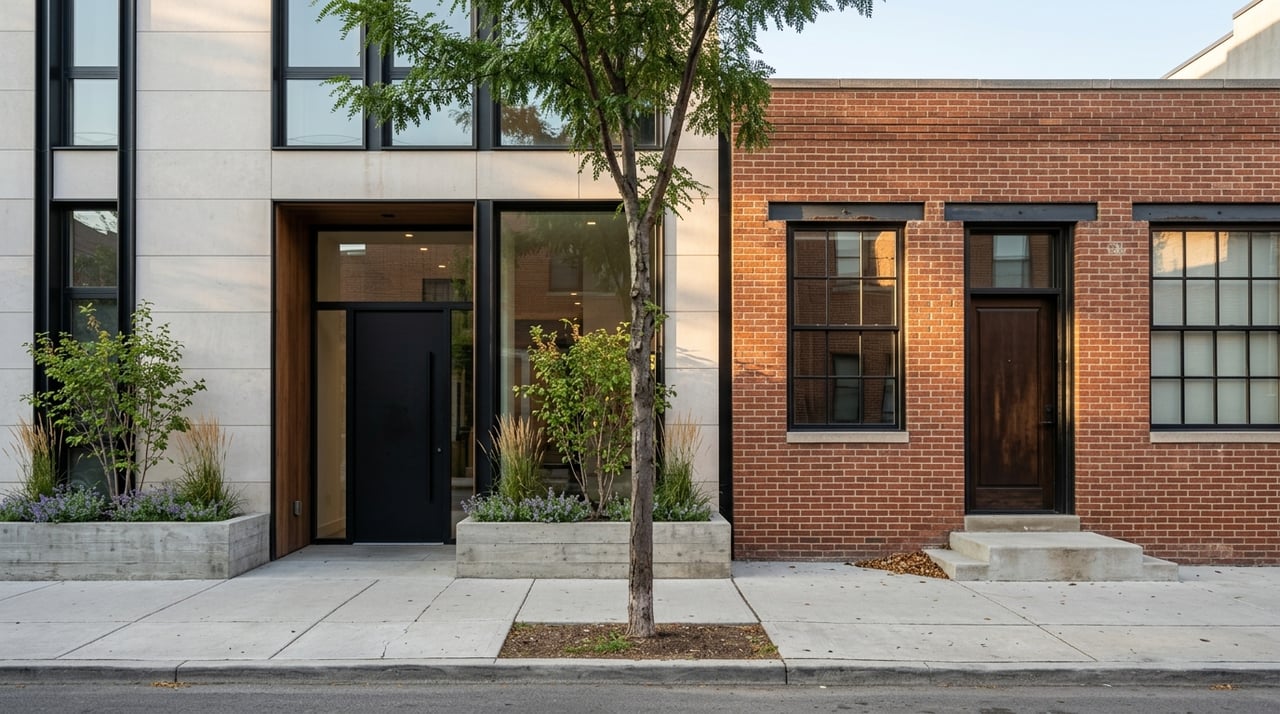
LoDo and Riverfront Park sit side by side, but they offer two distinct versions of urban living. LoDo is Denver’s historic warehouse-and-loft district, made up of a protected 23-block area in the original downtown settlement. It became a designated historic district in 1988, with rules that help preserve its street-level character and mixed-use feel.
Riverfront Park, just west of Union Station, has a different origin story. The area grew from former rail yard land into a planned residential neighborhood centered around Commons Park, the South Platte, and direct connections to downtown. Together, the two neighborhoods create a downtown experience shaped by architecture, access, and lifestyle variety.
Why the Location Works So Well
One of the biggest draws in 80202 is how much you can do without relying heavily on a car. Downtown Denver’s visitor materials describe the area as highly walkable and outdoor-oriented, with quick access to sports, museums, music, dining, and the river corridor. That makes everyday living here feel flexible in a way that stands out even within Denver.
Union Station is a major reason why. RTD identifies it as the region’s intermodal hub, connecting light rail, commuter rail, regional buses, Amtrak, taxis, shuttles, and bike and pedestrian access. It also includes A Line service to Denver International Airport, which can make travel and commuting simpler if you want a more car-light routine.
Walkability is Part of Daily Life
In LoDo, the historic street grid supports an active ground-floor environment with restaurants, coffee shops, boutiques, bars, and galleries built into the streetscape. In Riverfront Park, the feel shifts slightly toward residential calm, with Commons Park and the river promenade adding breathing room. The result is a lifestyle where errands, dinner plans, and outdoor time often happen within the same few blocks.
Trails Add Real Utility
The trail system is not just a nice bonus. It is part of how many people move through the area. Commons Park connects the Platte River and Cherry Creek trails, and nearby bridges link Riverfront Park to LoDo and Union Station.
Visit Denver also notes that a LoDo run can quickly reach Confluence Park and continue along the Platte River Trail past attractions like the Children’s Museum, Downtown Aquarium, and Empower Field. Whether you walk, run, bike, or just want easy outdoor access, that river corridor plays a real role in daily life.
The Lifestyle Difference Between LoDo and Riverfront Park
If you are deciding between the two, the choice often comes down to atmosphere more than distance. LoDo leans into historic architecture, active blocks, and a stronger nightlife and entertainment feel. Riverfront Park tends to feel more residential and park-oriented, with open space and river access shaping the experience.
That does not mean one is better than the other. It means your best fit depends on whether you picture yourself wanting a classic loft environment near busy streets or a more planned residential setting still close to the same downtown core.
LoDo Feels Historic and Lively
LoDo’s identity comes from preserved Victorian and turn-of-the-century buildings that now house a mix of homes, offices, restaurants, shops, and brewpubs. The district’s height limits and preservation rules help maintain a lower-rise, street-focused environment. For many buyers, that historic texture is a big part of the appeal.
You are also close to some of downtown’s biggest activity centers. Coors Field sits in Lower Downtown at 20th and Blake, and the neighborhood has long been associated with dining, nightlife, and a strong sense of city energy. If you want Denver’s historic urban core, this is where that feeling is most visible.
Riverfront Park Feels Planned and Park-Centered
Riverfront Park offers a more intentionally designed residential experience. The neighborhood is organized around Commons Park, the South Platte, nearby bridges, and easy access to Union Station. It still places you near restaurants, sports, and downtown amenities, but the immediate setting often feels quieter and more open.
That balance appeals to buyers who want walkability without feeling immersed in activity every moment of the day. You can step out to trails, meet friends at Union Station, or head to a game, then come back to a neighborhood with more of a residential rhythm.
What Weekends Often Look Like
A typical weekend here can be surprisingly varied without much planning. You might start with coffee and a walk through LoDo, then head toward Commons Park or Confluence Park for trail time or time by the water. Confluence Park, where Cherry Creek meets the South Platte, is known today as an active spot for kayaking, fishing, and paddleboarding.
Later in the day, you may be choosing between a Rockies game at Coors Field, an event at Ball Arena, a museum visit, or dinner nearby. Visit Denver highlights downtown access to the Denver Art Museum, Clyfford Still Museum, MCA Denver, History Colorado Center, and the Denver Performing Arts Complex. That range is part of what makes this area feel like a true live-near-everything neighborhood.
Housing Options in 80202
For buyers, the most important decision is often not simply LoDo versus Riverfront Park. It is which building and home type fit your daily life best. In a relatively compact area, you can find historic lofts, mid-rise condos, high-rise towers, low-rise residences, and townhomes, all with very different tradeoffs.
The downtown area plan describes Lower Downtown as a mixed-use district with two- to six-story historic buildings, ground-floor retail, and office or residential uses above, plus converted lofts and newer mid-rise construction. In adjacent Riverfront Park, the housing mix includes high-rise condos, mid-rise loft buildings, lower-scale condos, and townhomes.
Historic Lofts
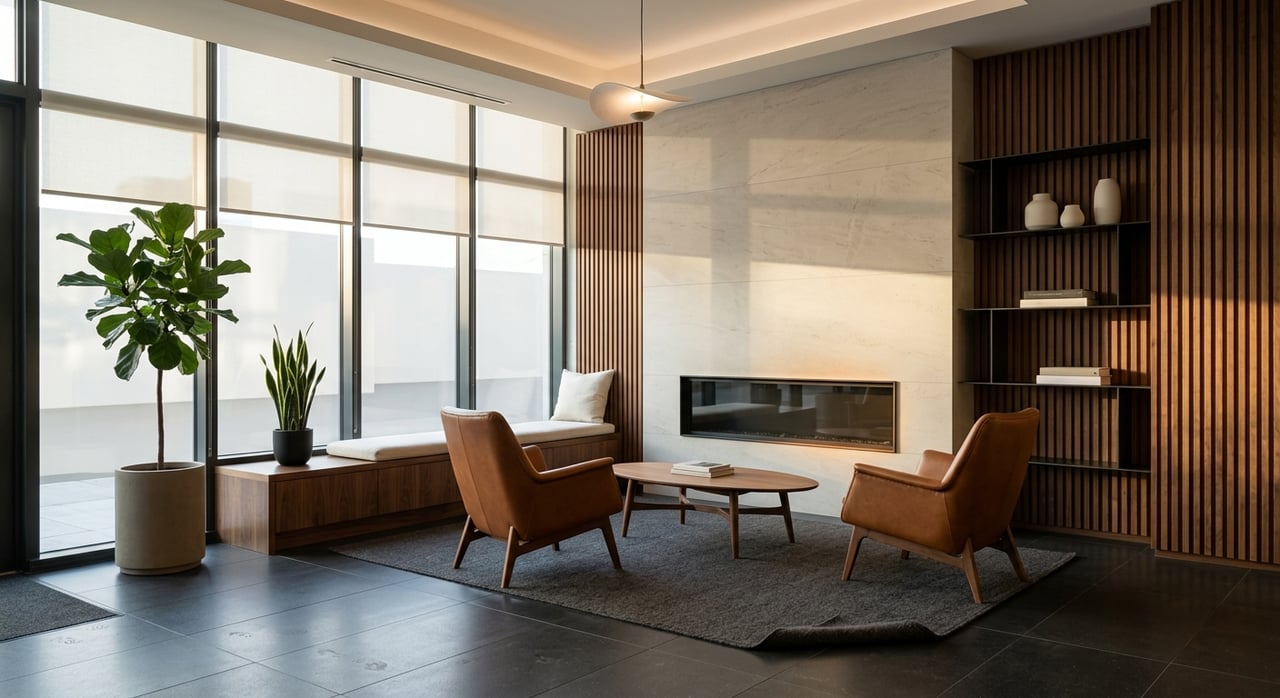
Historic lofts often appeal to buyers who value exposed brick, industrial character, and architectural history. These homes can offer a sense of uniqueness that is harder to replicate in newer buildings. In LoDo especially, that character is closely tied to the district’s identity.
At the same time, building-specific details matter. Storage, parking, sound, security, and maintenance expectations can vary widely from one property to the next. Two homes just blocks apart can live very differently.
Towers and Amenity Buildings
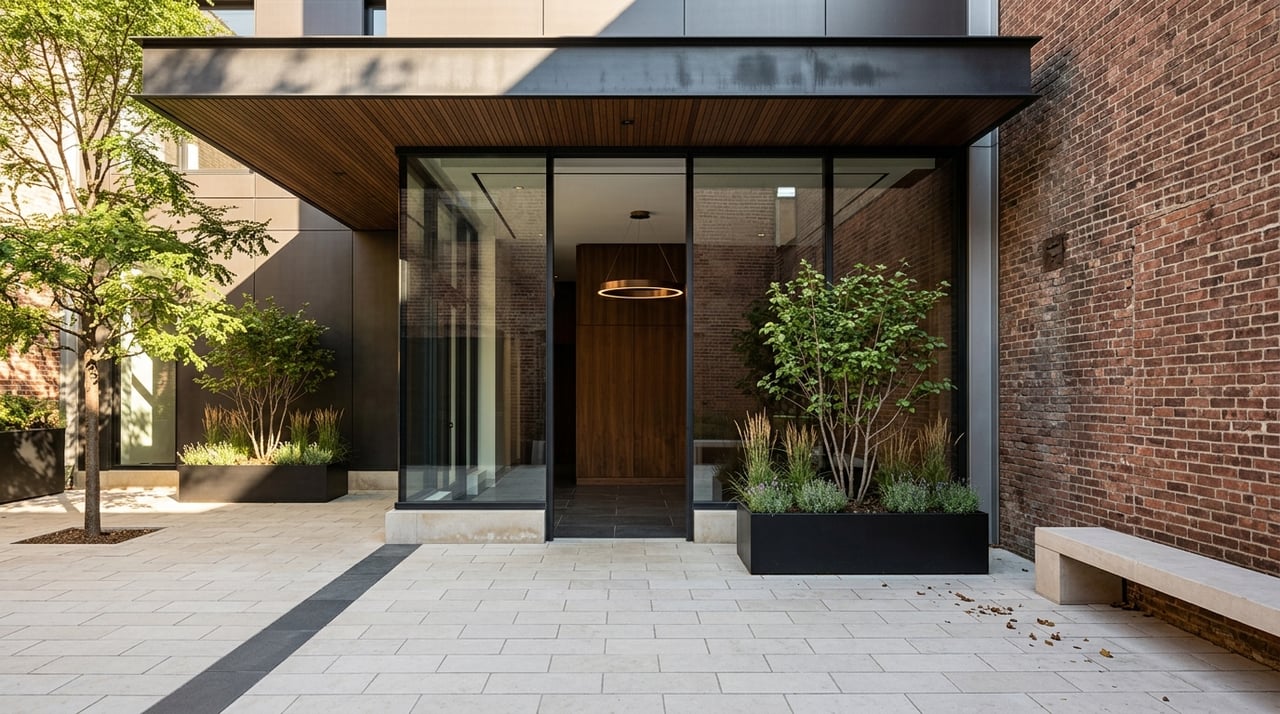
Newer condo towers and amenity-rich buildings may offer a more lock-and-leave lifestyle. Depending on the property, that can mean a different approach to security, views, shared amenities, and overall convenience. Buyers who travel often or want a more polished vertical-living experience may find these options especially appealing.
Townhomes and Lower-Density Choices
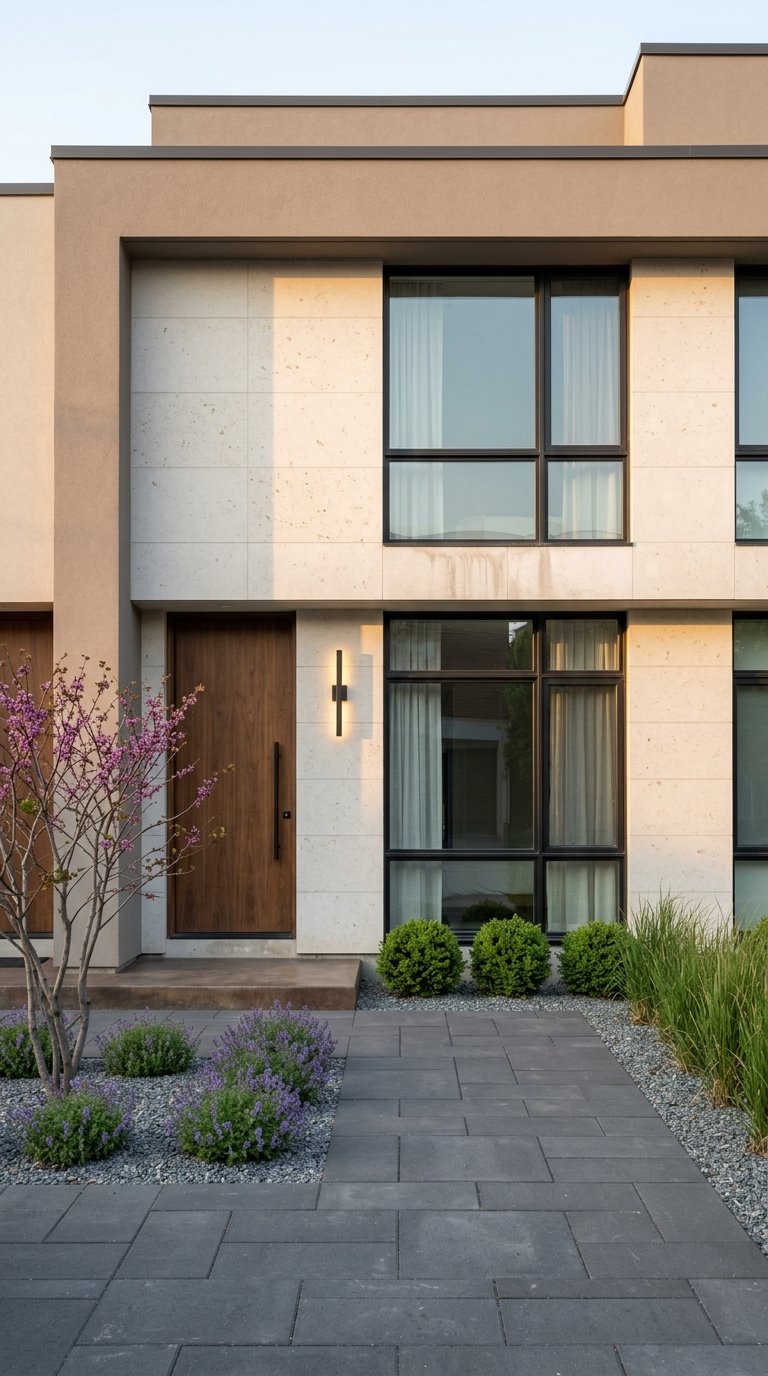
If you want a bit more separation from shared hallways and elevators, lower-density condos or townhomes can be worth a close look. In Riverfront Park, these homes can offer a more residential feel while keeping you close to everything that makes the area desirable. That middle ground can be a strong fit for buyers who want urban access with a little more privacy.
Practical Things Buyers Should Consider
Lifestyle fit in this part of Denver often comes down to details that are easy to overlook at first glance. Because sports and events are such a major part of the area’s identity, event-day traffic and parking can affect how the neighborhood feels. The Rockies note that game days require advance planning around Coors Field, and Ball Arena hosts more than 250 events each year.
Before you buy, it is smart to think beyond the floor plan and finishes. Consider:
- Parking setup and guest parking
- Building security and entry patterns
- Storage availability
- Balcony or outdoor space
- Noise exposure on event days
- HOA structure and amenities
- Trail, park, and transit access
- Whether you prefer historic character or newer construction
In LoDo and Riverfront Park, small differences can have a big impact on how well a home fits your routine.
What Sellers Should Keep in Mind
If you are selling in 80202, the neighborhood name helps, but it is usually not the whole story. In this part of Denver, buyers often compare homes by building type, architecture, views, parking, and amenity package as much as by map location. A historic loft and a newer condo tower may attract very different buyers, even if they are only minutes apart.
That is why positioning matters. Your home’s story may center on exposed brick and landmark-era character, or it may be about a view corridor, private outdoor space, lock-and-leave convenience, or a polished amenity experience. In a nuanced micro-market like this, clear pricing and strong presentation can make a meaningful difference.
Why This Area Continues to Stand Out
The real appeal of LoDo and Riverfront Park is the way preservation and convenience work together. LoDo brings the historic urban fabric, active streets, and architectural identity. Riverfront Park adds open space, river access, and a more residential edge to downtown living.
For many buyers and sellers, that combination is what keeps 80202 so compelling. You are not choosing between city life and livability. In the right home, you can have both.
If you are considering a move in LoDo, Riverfront Park, or nearby downtown Denver, working with a team that understands building-by-building differences can help you make a sharper decision. My Denver Team offers experienced guidance for buying, selling, leasing, and development-related real estate across central Denver, with deep familiarity in the neighborhoods that shape 80202.
FAQs
How historic is LoDo in Denver?
- LoDo is a designated historic district that was formally protected in 1988, and its preservation rules help maintain its character and mixed-use streetscape.
What makes Riverfront Park appealing for daily life?
- Riverfront Park stands out for its direct access to Commons Park, the South Platte river corridor, nearby trails, Union Station, and walkable connections to LoDo.
How easy is it to live without a car in 80202?
- Daily life can be relatively car-light because Union Station connects multiple transit modes and the area is also tied into strong pedestrian, bike, and trail networks.
What kinds of homes are available in LoDo and Riverfront Park?
- You can find historic lofts, mid-rise condos, high-rise residences, lower-scale condo buildings, and townhomes, often within just a few blocks of one another.
What should buyers know about event days in downtown Denver?
- Event days can affect traffic, parking, and the overall feel of nearby blocks, especially around Coors Field and Ball Arena, so it is wise to factor local event patterns into your home search.
What should sellers highlight in a LoDo or Riverfront Park listing?
- Sellers usually benefit most from emphasizing the home’s specific strengths, such as views, outdoor space, parking, amenities, or whether it offers historic loft character or newer tower living.